By Miri Rossitto
Rebranding is never just about a new logo. It’s about recalibrating how a company presents itself in the market and to its customers. Done right, it sharpens relevance, builds loyalty, and drives growth. On the other hand, when done wrong, it erodes trust and alienates the very people who built the brand in the first place.
In August 2025, Cracker Barrel became the latest case study in how not to execute a rebrand. Under the new CEO, Julie Masino, the company invested nearly $700 million in a modernization strategy aimed at attracting younger audiences. On paper, it was smart. In practice, it was a cultural landmine.
Within days of unveiling a simplified logo and “All the More” campaign, loyal customers revolted. They didn’t see modernization. They saw betrayal. Shares fell, headlines mocked, and the brand was forced into a hasty retreat.
The lesson is clear: nostalgia isn’t fluff. Nostalgia is equity; once erased, it is expensive to rebuild.
Where Cracker Barrel
Went Wrong
Cracker Barrel wasn’t wrong to pursue modernization. Stagnating sales and an aging customer base are real business problems. The remodels, refreshed menus, and digital-friendly logo were, in theory, sound moves.
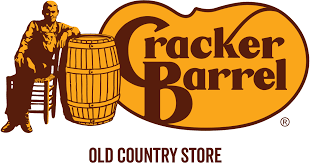
But here’s the misstep: The company underestimated the emotional weight of its heritage. By stripping away Uncle Herschel and the iconic barrel, leadership removed more than imagery. They erased symbols tied to decades of family rituals, road trips, and comfort.
Customers didn’t just dislike the new look. They felt abandoned. A YouGov poll revealed 76% preferred the old logo. Online conversations spiraled into political debates, turning the rebrand into a cultural flashpoint. Instead of sparking loyalty, the rebrand fractured it.
The Takeaways for
Business Leaders
Cracker Barrel’s stumble offers a playbook of “what not to do” and timeless lessons for leaders considering a brand refresh.
Start With Strategy, Not Cosmetics: A logo is not a strategy. Before you touch fonts or colors, define the business problem you’re solving. If you can’t articulate the purpose in one sentence, you’re not ready.
Audit What Already Works: Not everything is broken. Some symbols, stories, and traditions carry deep equity. Keep what works and change the clutter.
Anchor in Your Core Values: A rebrand should feel like you, only clearer. If employees or customers don’t recognize the brand after the shift, you’ve gone too far.
Pressure-Test With Loyal Customers: Your most loyal audience isn’t a barrier to change. They’re your compass. If they feel excluded, no amount of sleek design will save you.
Communicate the Why: Silence invites people to write their own stories. Explain the change, frame it as evolution, and pay homage to the past
The Hidden Cost of Missteps
Rebranding is expensive, far beyond design fees. It touches signage, packaging, websites, training, and culture. For Cracker Barrel, the price tag wasn’t just the $700 million investment. It was nearly $100 million in market value erased in days, and, more damaging, a loss of trust.
When customers tie emotion to your imagery and rituals, those are not expendable assets. They are the cornerstone of loyalty.
But not all rebrands fail. Utilized effectively, it can:
Renew energy across teams and customers.
Differentiate the company in crowded markets.
Expand reach to new audiences and partners.
Build long-term adaptability and relevance.
The difference? Execution rooted in empathy. Starbucks didn’t throw away its siren; it evolved her. That’s the golden rule: protect the DNA, evolve the expression.
Cracker Barrel’s story is a cautionary tale. The need for change was real. The strategy was logical. But by mishandling the emotional core of its brand, leadership turned modernization into alienation.
For leaders, the takeaway is simple: A successful rebrand feels new, relevant, familiar, and authentic. It’s not a personality transplant. It’s an evolution.
If you’re asking whether it’s time for your brand to evolve, you’re already in the right conversation. The next step is not guessing; it’s knowing. Test. Listen. And above all, fiercely protect the equity you’ve earned. Because once nostalgia bites back, the cost is far greater than a new logo.
Miri Rossitoo is founder and CEO of Cowe Communications. Follow them on social @ CoweOfficial or visit the website at Cowe.com.